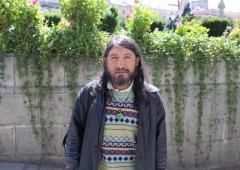
The 2021 vice presidential candidate for Juntos por el Perú (Together for Peru) discusses what we can expect from the Castillo government and possible alliances with other sectors of the Left.
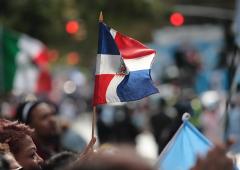
In an interview, lawyer-advocate Rosa Iris Diendome discusses her work defending the citizenship status of Dominicans of Haitian descent, which filmmaker Michèle Stephenson chronicles in her recent documentary Stateless.
Professor Keymer Ávila of the Institute of Criminal Sciences at the Central University of Venezuela discusses lethal state violence. Venezuelan security forces kill thousands of racialized and impoverished young people every year.
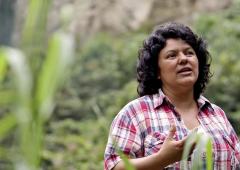
Honduran activist Berta Cáceres was murdered in 2016 during a fight against a hydroelectric megaproject. In the corrupt narcostate of post-coup Honduras, the killing was the grand finale of a campaign of terror.
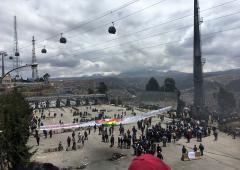
Diverse groups oppose Evo Morales, but the right-wing Christian figures representing the country’s old elite that are now grabbing power in Bolivia spells a new tragedy, Bolivian anthropologist Raul Rodriguez Arancibia explains.
Political theorist Mabel Thwaites Rey discusses the rise and decline of progressive governments in Latin America, dynamics that spurred the “end of the cycle,” and characteristics of the new Right.
Grassroots leaders in El Salvador discuss what they anticipate from President Nayib Bukele, what they demand, and how they plan to navigate the distance between the two.